
Men's Joint & Bone Health Resources
Comprehensive guides and educational content to support your wellness journey
Explore articles, research summaries, and practical information about maintaining optimal joint and bone health
The information on this site is for educational purposes only and does not constitute medical advice. Always consult a qualified healthcare professional before making health decisions.
Browse by Category
Featured Articles & Guides
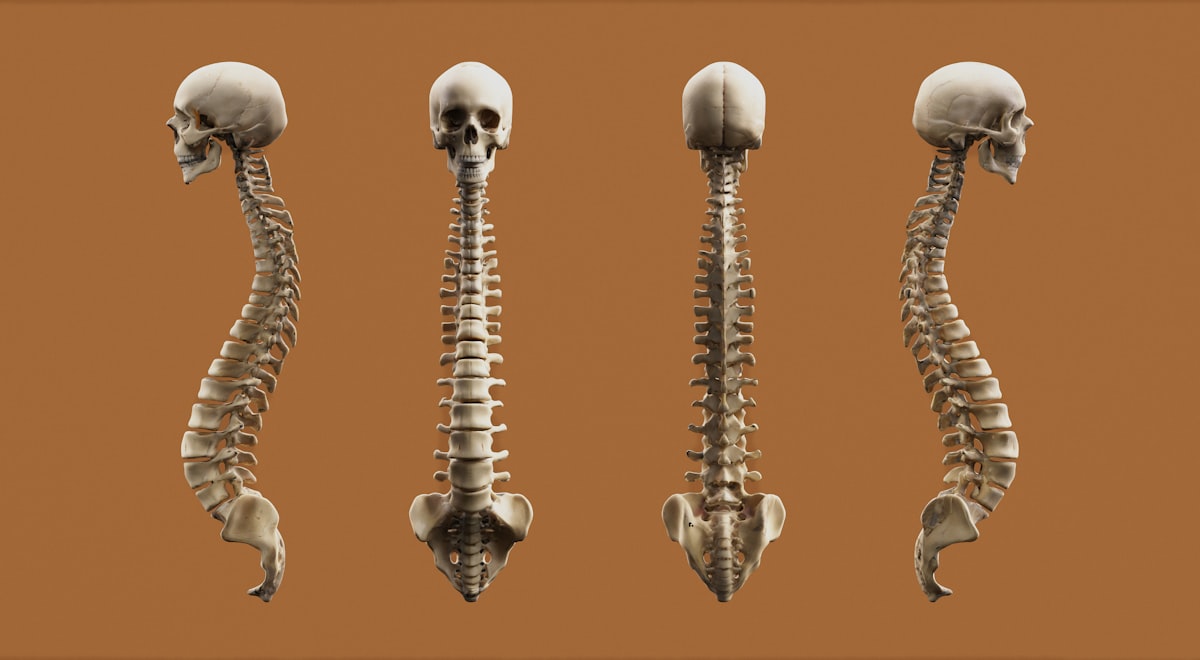
Understanding Joint Cartilage Health
Learn how cartilage functions as a protective cushion in your joints and what factors contribute to its long-term resilience. Discover practical strategies for maintaining optimal joint mobility throughout your life.
Read More →
Calcium and Vitamin D Essentials
Explore the critical role of calcium and vitamin D in maintaining bone density and strength. This comprehensive guide covers natural food sources, optimal intake levels, and how these nutrients work together for maximum benefit.
Read More →
Impact of Exercise on Bone Density
Weight-bearing and resistance exercises are essential for bone health. Learn which activities provide the most benefit, proper form techniques, and how to safely build a routine that supports skeletal strength and resilience.
Read More →
Hydration and Joint Lubrication
Water intake directly affects synovial fluid production, which lubricates your joints and reduces friction. Discover the science behind hydration, daily recommendations tailored to activity level, and how proper fluid balance supports overall joint function.
Read More →
Nutrient Absorption and Age
As men age, nutrient absorption efficiency can decline. This article explains how digestive function changes, which nutrients require special attention, and evidence-based strategies to optimize how your body utilizes essential minerals and vitamins.
Read More →
Posture and Spinal Alignment
Proper posture reduces unnecessary stress on bones and joints throughout your day. Learn ergonomic principles for sitting, standing, and moving, plus practical corrective exercises to improve alignment and reduce long-term strain on your skeletal system.
Read More →
Sleep Quality and Bone Recovery
Rest is when your body repairs and rebuilds bone tissue. Explore the connection between sleep patterns and skeletal health, understand how circadian rhythms affect mineral metabolism, and discover strategies for consistent, restorative sleep.
Read More →
Managing Stress for Joint Wellness
Chronic stress affects your body's ability to maintain bone health and joint function. Learn how stress impacts mineral metabolism, discover evidence-based relaxation techniques, and understand the mind-body connection in supporting skeletal wellness.
Read More →
Protein and Bone Matrix Formation
Protein forms the structural framework of bone tissue. This detailed guide explores amino acid requirements, optimal sources for men's health, and how adequate protein intake supports not only bone strength but also muscle function around your joints.
Read More →Common Questions About Joint & Bone Health
Minerals like calcium, phosphorus, and magnesium form the mineral matrix of bone tissue, providing hardness and rigidity. Calcium makes up approximately 99% of bone mineral content and is essential for bone formation and strength. Phosphorus works alongside calcium to create the crystalline structure, while magnesium supports the enzymatic processes involved in bone formation. Without adequate mineral intake, your body cannot maintain bone density or support the structural integrity of your skeletal system. Discover more about mineral-rich foods in our nutrition guide.
Weight-bearing and resistance exercises create mechanical stress on bones, which signals your body to increase bone formation and density. When muscles contract during exercise, they pull on the bones they attach to, stimulating osteoblasts (bone-building cells) to create new bone tissue. This adaptation makes your skeleton more resilient and capable of handling greater loads. For joints, movement distributes synovial fluid (natural lubricant) throughout the joint space, nourishes cartilage, and strengthens the surrounding muscles that stabilize and protect the joint. Regular activity prevents bone loss and maintains the range of motion needed for daily activities.
Yes, positive lifestyle changes can support bone health at any stage of life. While peak bone mass typically occurs in your late twenties to early thirties, maintaining bone density and preventing decline is possible through consistent effort. Men who adopt exercise routines, ensure adequate nutrition with sufficient calcium and vitamin D, manage stress, prioritize sleep, and limit alcohol and smoking can significantly slow natural bone loss. Even small improvements in daily movement, hydration, and dietary habits accumulate over time. Our resources section includes evidence-based strategies tailored to different age groups and fitness levels.
Several nutrients work together to support bone health. Calcium is the primary mineral component of bone. Vitamin D enables calcium absorption in the digestive tract and regulates mineral metabolism. Protein provides the amino acids needed to build bone matrix. Magnesium supports bone mineralization and enzyme function. Vitamin K plays a role in bone protein synthesis. Phosphorus works with calcium in bone formation. Zinc, copper, and boron contribute to various aspects of bone metabolism. Rather than focusing on single nutrients, research emphasizes eating a varied, whole-food diet rich in vegetables, lean proteins, dairy or fortified alternatives, and whole grains. Our nutrition guide provides detailed information on food sources and optimal intake levels.
Cartilage is a specialized connective tissue composed primarily of water, collagen fibers, and proteoglycans. Its smooth surface and elastic properties allow bones to glide smoothly without friction. Cartilage health depends on maintaining adequate hydration, proper joint movement (which distributes nutrients), and avoiding excessive stress without adequate recovery. Regular, moderate activity stimulates cartilage cells (chondrocytes) to maintain the tissue. Key nutrients like collagen precursors, vitamin C, and amino acids support cartilage structural integrity. While cartilage does not have its own blood supply, it receives nutrients through synovial fluid and from the underlying bone. Movement is essential—joints that don't move regularly lose their nourishment and become stiff.
Strong muscles surrounding a joint act as dynamic stabilizers, reducing the load placed directly on bone and cartilage. When muscles are weak, the joint must rely more heavily on ligaments and bone structure alone to maintain alignment and function, increasing wear over time. Resistance training builds muscle strength and endurance, improving your ability to move through your full range of motion with control. This protection is especially important in high-stress joints like knees, hips, and shoulders. Additionally, muscle tissue requires nutrients to build and maintain, so proper protein intake becomes even more important when incorporating strength training into your routine. Our exercise and movement section provides guidance on safe, effective training approaches.
Expand Your Knowledge
Browse our complete collection of wellness guides and research summaries to learn more about supporting your joint and bone health